
All News
Catholic health care’s policies limit reproductive care in rural Illinois counties
Recent hospital and clinic closures in Lee and La Salle counties, Illinois, have narrowed reproductive care options in areas now largely served by OSF HealthCare. After those closures, roughly 140,000 residents in the two rural counties were left relying on a single major health system whose Catholic directives restrict contraception, sterilization, IVF and other fertility treatments, and abortion, while permitting some related treatments in limited circumstances.
By: Payton Felix
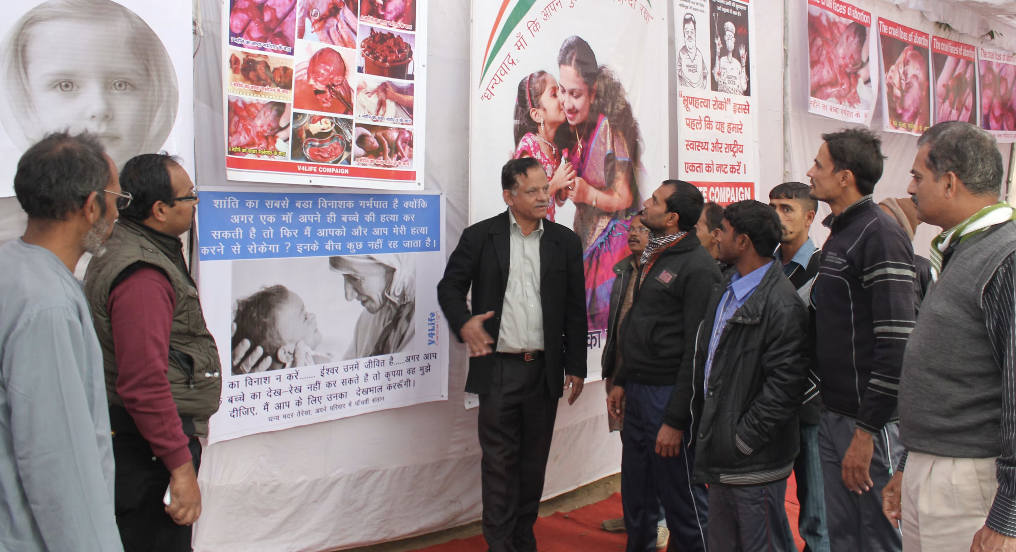
Catholic Church in India ‘appalled’ by country’s first euthanasia death
India’s first court-approved passive euthanasia case ended with the death of Harish Rana, after doctors withdrew life support. Rana had been in a vegetative state for 13 years after a fall in 2013. The article centres on the response from Catholic leaders, especially Archbishop Raphy Manjaly of Agra, who said the Church was “shocked and appalled” by the ruling and reaffirmed the Catholic position that human life must be protected from conception to natural death.The article places the decision in the context of earlier Indian euthanasia litigation, in which the Supreme Court had said the constitutional right to life did not include a right to die.
By: Anto Akkara
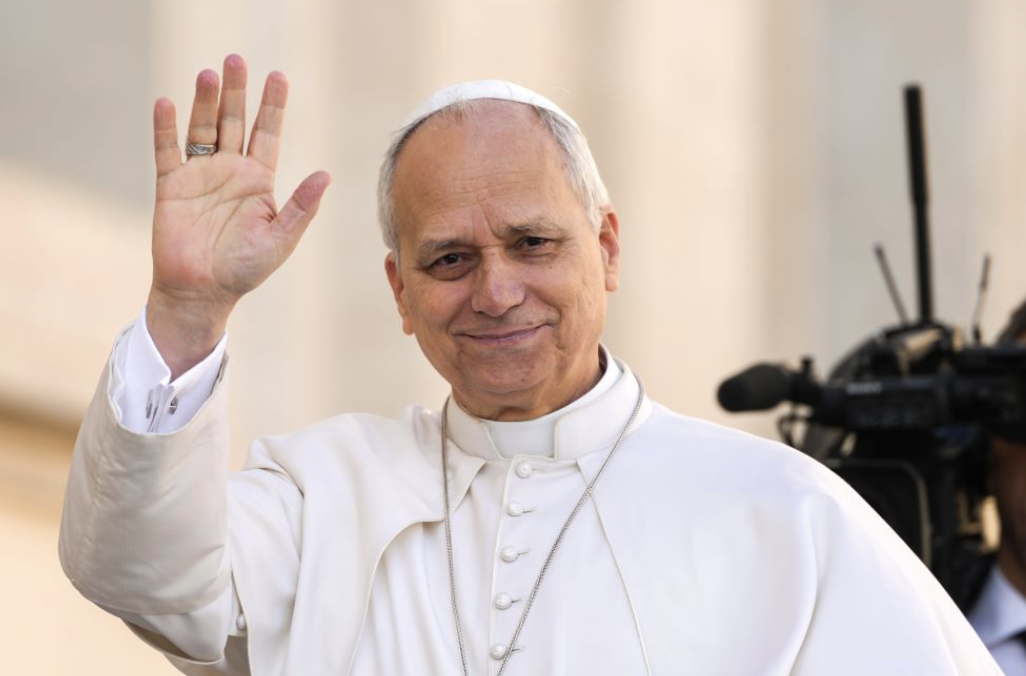
Pope Leo calls universal health care a 'moral imperative'
Pope Leo XIV describes universal health care as a moral obligation of the state rather than a merely technical policy objective. Speaking at a conference on health care inequality in Europe he argues that health care should not be treated as a privilege reserved for those who can afford it. Instead, he presents access to care as a condition of justice and social peace, especially for people who are poor, marginalized, or otherwise vulnerable. The article further notes his view that the church in Europe still has an important role to play in addressing health inequality through charity, solidarity, and advocacy for those facing “health poverty.”
By: Justin McLellan
Archbishop, witnesses testify on religious freedom risks in health care today
At a hearing of the U.S. Department of Justice’s Religious Liberty Commission, Catholic and other religious witnesses argued that conscience protections for faith-based health providers remain under pressure. The article presents disputes about MAiD and gender-affirming care as part of a broader argument that religious freedom questions in health care now extend beyond one issue area and increasingly affect institutional policy, professional obligations, and access to care.
By: Kate Scanlon
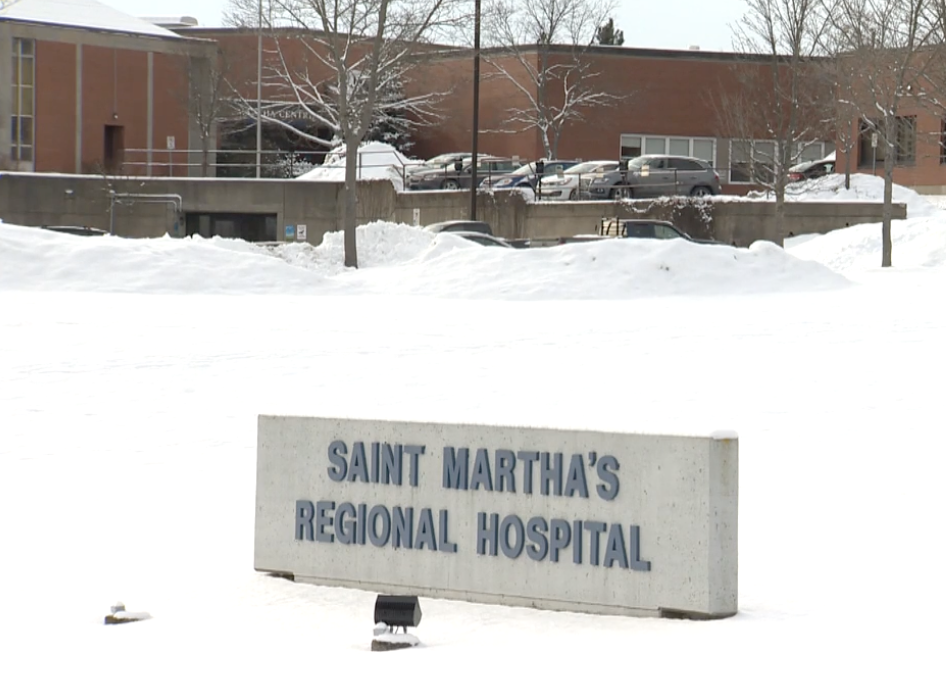
Nova Scotia only faith-based hospital to end religious sponsorship
St. Martha’s Regional Hospital in Antigonish, Nova Scotia, will lose its formal Catholic sponsorship when its Mission Assurance Agreement ends on September 30, 2026. The agreement, created in 1996 between the hospital, Nova Scotia Health, and the provincial government, protected the hospital’s Catholic philosophy, mission, and values. It was the only publicly funded hospital in Nova Scotia operating under this kind of arrangement. The article connects the decision to longer-running controversy over services affected by the hospital’s faith-based identity, including abortion and MAID. Nova Scotia’s health minister said the province wants hospitals to operate with the same services, policies, and procedures, while others quoted in the piece disagreed over whether a publicly funded hospital should be able to limit care on religious grounds.
By: Rebecca Lau & Ella Macdonald

Catholic doctors urge pursuit of medicine with faith, courage
A Vancouver panel discussion organized to encourage young Catholics considering careers in medicine and related health professions. Organized by Dr. Christopher Ryan, the event brought together Catholic professionals from medicine, nursing, pharmacy, and other specialties to answer questions about training, vocation, and the challenges of entering a health-care environment they describe as increasingly shaped by ideological pressures. The piece centres on Ryan’s view that Catholic students should not be discouraged from pursuing medicine despite those pressures. He argues that religious conviction remains valuable in clinical practice, especially where patients want care that takes religion and spirituality seriously.
By: Nicholas Elberts