
All News

Catholic health care’s policies limit reproductive care in rural Illinois counties
Recent hospital and clinic closures in Lee and La Salle counties, Illinois, have narrowed reproductive care options in areas now largely served by OSF HealthCare. After those closures, roughly 140,000 residents in the two rural counties were left relying on a single major health system whose Catholic directives restrict contraception, sterilization, IVF and other fertility treatments, and abortion, while permitting some related treatments in limited circumstances.
By: Payton Felix
Catholic Church in India ‘appalled’ by country’s first euthanasia death
India’s first court-approved passive euthanasia case ended with the death of Harish Rana, after doctors withdrew life support. Rana had been in a vegetative state for 13 years after a fall in 2013. The article centres on the response from Catholic leaders, especially Archbishop Raphy Manjaly of Agra, who said the Church was “shocked and appalled” by the ruling and reaffirmed the Catholic position that human life must be protected from conception to natural death.The article places the decision in the context of earlier Indian euthanasia litigation, in which the Supreme Court had said the constitutional right to life did not include a right to die.
By: Anto Akkara
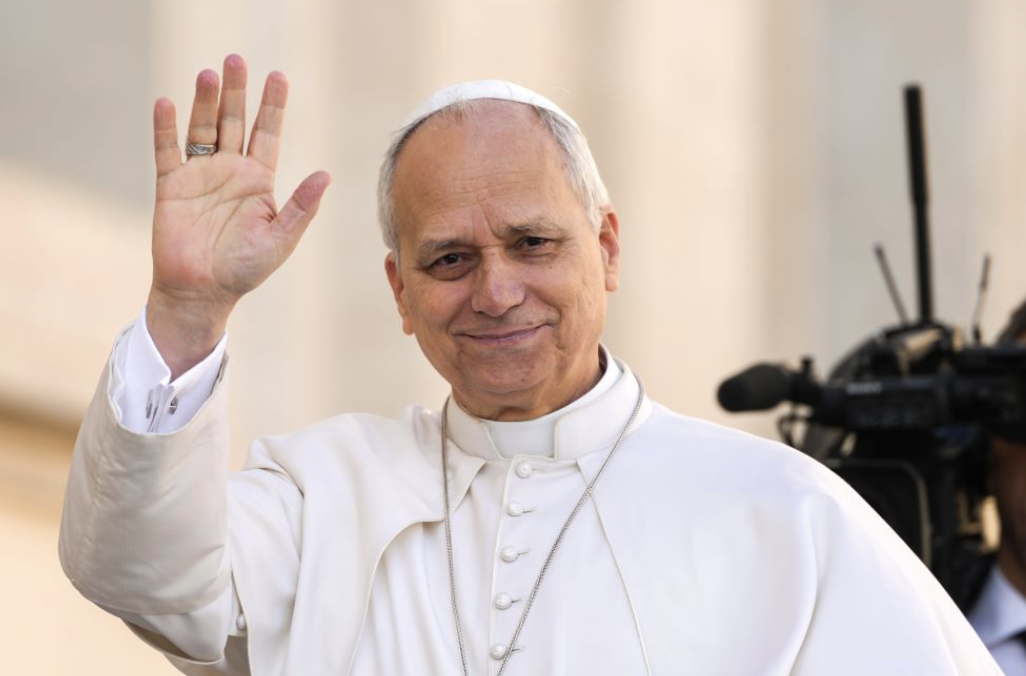
Pope Leo calls universal health care a 'moral imperative'
Pope Leo XIV describes universal health care as a moral obligation of the state rather than a merely technical policy objective. Speaking at a conference on health care inequality in Europe he argues that health care should not be treated as a privilege reserved for those who can afford it. Instead, he presents access to care as a condition of justice and social peace, especially for people who are poor, marginalized, or otherwise vulnerable. The article further notes his view that the church in Europe still has an important role to play in addressing health inequality through charity, solidarity, and advocacy for those facing “health poverty.”
By: Justin McLellan

Archbishop, witnesses testify on religious freedom risks in health care today
At a hearing of the U.S. Department of Justice’s Religious Liberty Commission, Catholic and other religious witnesses argued that conscience protections for faith-based health providers remain under pressure. The article presents disputes about MAiD and gender-affirming care as part of a broader argument that religious freedom questions in health care now extend beyond one issue area and increasingly affect institutional policy, professional obligations, and access to care.
By: Kate Scanlon

Nova Scotia only faith-based hospital to end religious sponsorship
St. Martha’s Regional Hospital in Antigonish, Nova Scotia, will lose its formal Catholic sponsorship when its Mission Assurance Agreement ends on September 30, 2026. The agreement, created in 1996 between the hospital, Nova Scotia Health, and the provincial government, protected the hospital’s Catholic philosophy, mission, and values. It was the only publicly funded hospital in Nova Scotia operating under this kind of arrangement. The article connects the decision to longer-running controversy over services affected by the hospital’s faith-based identity, including abortion and MAID. Nova Scotia’s health minister said the province wants hospitals to operate with the same services, policies, and procedures, while others quoted in the piece disagreed over whether a publicly funded hospital should be able to limit care on religious grounds.
By: Rebecca Lau & Ella Macdonald

Catholic doctors urge pursuit of medicine with faith, courage
A Vancouver panel discussion organized to encourage young Catholics considering careers in medicine and related health professions. Organized by Dr. Christopher Ryan, the event brought together Catholic professionals from medicine, nursing, pharmacy, and other specialties to answer questions about training, vocation, and the challenges of entering a health-care environment they describe as increasingly shaped by ideological pressures. The piece centres on Ryan’s view that Catholic students should not be discouraged from pursuing medicine despite those pressures. He argues that religious conviction remains valuable in clinical practice, especially where patients want care that takes religion and spirituality seriously.
By: Nicholas Elberts
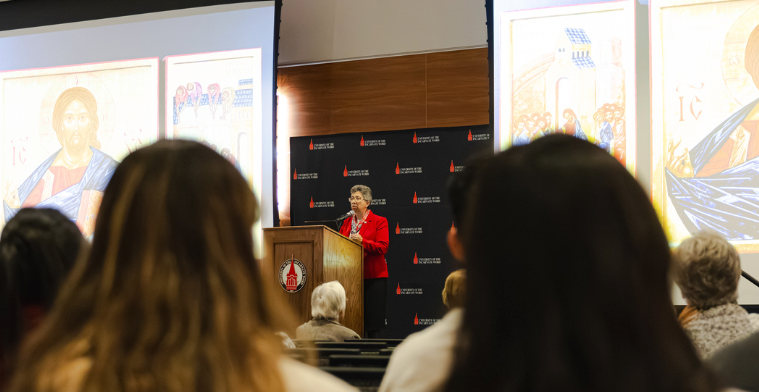
Honouring the History and Impact of Catholic Healthcare: UIW Hosts 2026 Pierre Lecture
A February 2026 lecture at the University of the Incarnate Word by Sr. Teresa “Tere” Maya of the Catholic Health Association, titled “Care for All: What Does ‘Catholic’ Mean in Healthcare?” It presents Catholic healthcare as rooted in the healing ministry of Jesus and shaped by health equity, Catholic Social Teaching, mercy, dignity, and whole-person care. The piece emphasizes the historical role of Catholic institutions in serving vulnerable and marginalized communities and argues that Catholic healthcare should continue to adapt to changing needs while remaining faithful to its mission.
By: University of the Incarnate Word

TN Hospital Denies Woman Sterilization Surgery, Citing Her “Sacred Fertility”
A Tennessee woman says Ascension Saint Thomas Hospital Midtown cancelled her scheduled sterilization procedure while she was already undergoing pre-surgery preparation, after the hospital’s Catholic Ethics Oversight Committee intervened. The piece links the incident to Tennessee’s Medical Ethics Defence Act, which allows providers and medical centers to refuse procedures that conflict with their moral beliefs. It presents the case as an example of how religiously based hospital governance can shape access to contraception-related care, especially in a state with highly restrictive abortion laws.
By: Chris Walker

Letters: Remembering Catholic Health-care Pioneers
This article is a short letter to the editor responding to The B.C. Catholic’s recent coverage of the history of Catholic healthcare in Canada. Marianne Nederend recalls that her grandmother worked in 1929 with the Sisters of Service at a small hospital in Edson, Alberta, where she did physically demanding laundry work. The letter uses this family connection to express gratitude toward the women and men who helped build Catholic health services in Canada. It serves as a personal reflection on the historical foundations of Catholic healthcare.
By: Letters To The Editor (B.C. Catholic)

A warning from the Canadian Physicians for Life
A message from Canadian Physicians for Life warning against the scheduled 2027 expansion of MAiD eligibility to persons whose sole underlying condition is mental illness. It cites personal testimony, including MP Andrew Lawton’s account of surviving a suicide attempt and living with depression, to argue that extending euthanasia in these circumstances would abandon vulnerable people rather than care for them. The article also points to the ongoing parliamentary review and urges readers to contact their MPs in support of Bill C-218, which would cancel the planned expansion.
By: The Catholic Register

An Alberta man wanted MAID. Instead, he died in a Catholic hospital, waiting to be transferred
An Alberta man who was approved for Medical Assistance in Dying but was unable to receive it at Edmonton’s Grey Nuns Hospital because the site is run by Covenant Health, a Catholic provider that does not allow MAiD on-site. He instead had to be transferred to another facility, but died before that could happen. It also includes commentary from Dr. Andrea Letourneau, a critical care specialist and MAiD provider, who argues that forced transfers impose additional burdens on patients seeking an assisted death. The piece presents the case as a concrete example of the practical consequences of institutional non-participation in MAiD within a publicly funded health system.
By: Stephanie Dubois

Days after MAiD trial ends, Archbishop urges vigilance for Catholic hospitals
Archbishop Richard Smith urged Catholics to remain vigilant in defending the mission of Catholic healthcare. The piece explains that the case centers on whether publicly funded Catholic hospitals in British Columbia can continue operating according to their religious ethics, particularly under the 1995 Master Agreement between the province and the Denominational Health Association. In his World Day of the Sick homily, the Archbishop describes Catholic hospitals as central to the Church’s healing ministry and argues that their mission and integrity should be recognized, valued, and protected within the wider provincial health system.
By: The B.C. Catholic

Accommodating Catholic health care presence and conscience
This article illustrates how Catholic healthcare has long been part of Canada’s publicly funded health system and that its continued presence depends on preserving space for institutional and individual conscience. The piece also claims that newer federal standards are increasing pressure on healthcare workers by expecting them to raise euthanasia with eligible patients and, in some cases, make effective referrals. It presents these developments as part of a broader shift from accommodation toward coercion in matters of conscience.
By: The B.C. Catholic

When Doctors’ Faith Loses to Bureaucratic Power
This article argues that legal and regulatory pressure in Canada is threatening the religious freedom of doctors and faith-based hospitals when institutional beliefs conflict with secular medical law. The piece focuses on a case in British Columbia involving a Catholic hospital that denied on-site access to Medical Assistance in Dying leading a family to sue to compel the facility to allow the procedure. The author claims that forcing medical professionals or institutions to participate in or permit services that contradict their moral convictions undermines freedom of conscience and religious liberty under the Canadian Charter of Rights and Freedoms.
By: Wesley J. Smith

B.C. government struck compromise with assisted dying policy, court hears
This article reports on evidence presented in the British Columbia Supreme Court during a legal dispute over how the province’s assisted-dying policy applies to faith-based hospitals. The court heard that the provincial government reached a “compromise” policy intended to balance access to medical assistance in dying with respect for religious objections by some hospitals, particularly Catholic facilities that do not provide MAID on site. Government witnesses described efforts to ensure patients approved for MAID can receive the procedure without forcing faith-based institutions to act against their beliefs. The testimony also highlighted the role that faith-based facilities, including St. Paul’s Hospital in Vancouver, play in the broader health system and the complexity of maintaining both access and institutional identity.
By: Tara Carman
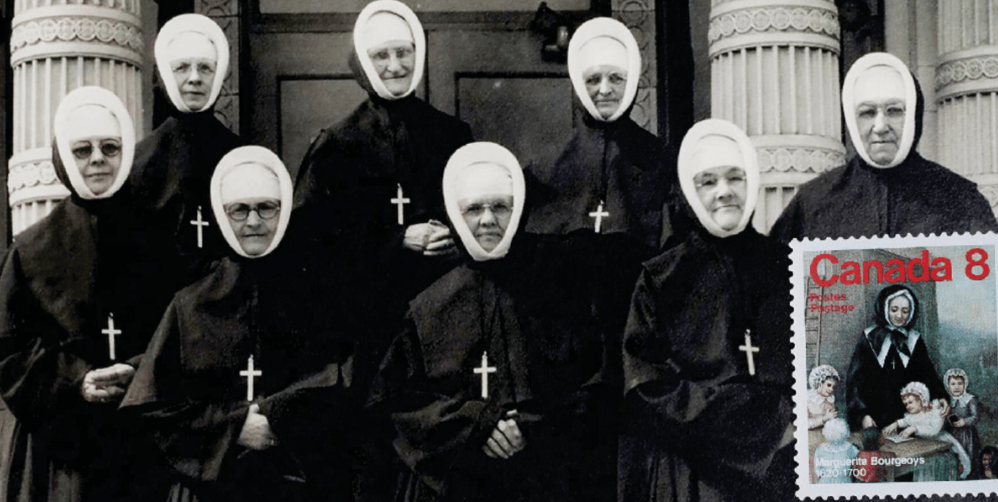
Exploring Canada’s living tradition of Catholic health care
This article provides an overview of the historical and ongoing tradition of Catholic health care in Canada. It begins by connecting current events, including a legal challenge involving Catholic hospitals in British Columbia, with the deep roots of Catholic healing ministry dating back to early figures such as St. Marguerite Bourgeoys. The article traces how Catholic individuals and religious congregations first established health services long before public systems existed, often providing care in frontier communities and to vulnerable populations. It then explains how these ministries evolved into formal institutions such as hospitals, nursing schools, and care facilities that later operated within publicly funded systems while maintaining a faith-based mission.
By: The B.C. Catholic

Are most hospitals in Tulsa controlled by the Catholic Church?
This fact brief argues that the claim that most Tulsa hospitals are controlled by the Catholic Church is inaccurate. It states that while one-third of Tulsa hospitals are associated with Catholic organizations, Catholic directives directly apply only to hospitals owned by those organizations, which it identifies as five hospitals, or 28% of Tulsa hospitals. The piece also notes that Catholic hospitals make up a larger share of general care hospitals in Tulsa than in Oklahoma or the United States overall, and highlights that these institutions are governed by the Ethical and Religious Directives for Catholic Health Care Services.
By: Matthew Yin
HHS Takes Comprehensive Action to Enforce Conscience Rights and Protect Human Life
This press release announces new steps by the U.S. Department of Health and Human Services to protect health care workers and institutions who object to certain medical procedures for religious or moral reasons. The agency says it will more actively enforce existing federal laws that allow doctors, nurses, and hospitals to refuse participation in services such as abortion, sterilization, and assisted dying. As part of this effort, the department issued a formal warning to the State of Illinois, arguing that a state law requiring referrals for abortion conflicts with federal conscience protections. The announcement frames these actions as necessary to prevent discrimination against health care providers who choose not to take part in procedures that conflict with their beliefs.
By: HHS Press Office

Families want Canadian provinces to end MAID opt-out policy for faith-based hospitals
Catholic-affiliated hospitals, including St. Paul’s Hospital in Vancouver, prohibit participation in MAID due to religious doctrine, requiring patients who are approved for the procedure to be transferred to non-religious facilities. Patient advocates and families argue that these transfers can cause additional suffering and distress, particularly for patients who are seriously ill or near death. The article highlights cases where patients were moved shortly before dying, prompting legal action by advocacy groups who claim the policy violates patients’ rights and undermines access to publicly funded health care services. Supporters of the policy argue that religious institutions should be permitted to operate in accordance with their beliefs while continuing to provide other essential medical services. The issue is now before the courts.
By: Caroline Barghout
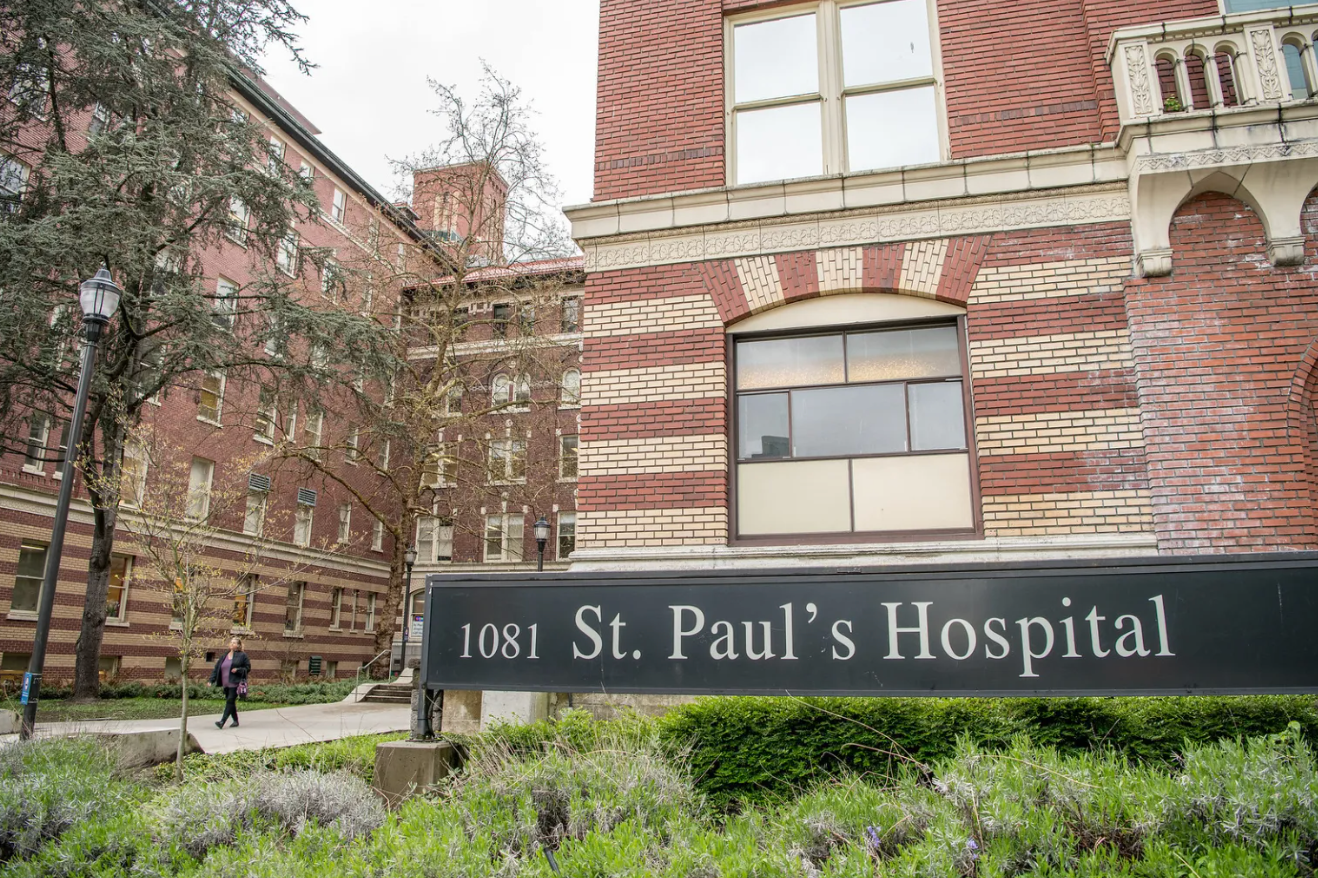
B.C. court tackles Catholic hospitals’ objections to MAiD
This article covers a B.C. court challenge over whether publicly funded Catholic hospitals should be permitted to refuse medical assistance in dying on-site. The case centres on St. Paul’s Hospital in Vancouver, where Sam O’Neill, a terminally ill patient, was required to transfer out of the Catholic facility to access MAiD. Her family and Dying With Dignity Canada argue that the transfer caused unnecessary suffering and denied her a dignified death. The article explains that Catholic hospitals receive public funding while remaining accountable to Catholic ethical commitments that prohibit MAiD. Amélie Barras and Andrea Paras further explain the continuing importance of Catholic identity in hospital directives.
By: Meagan Gillmore